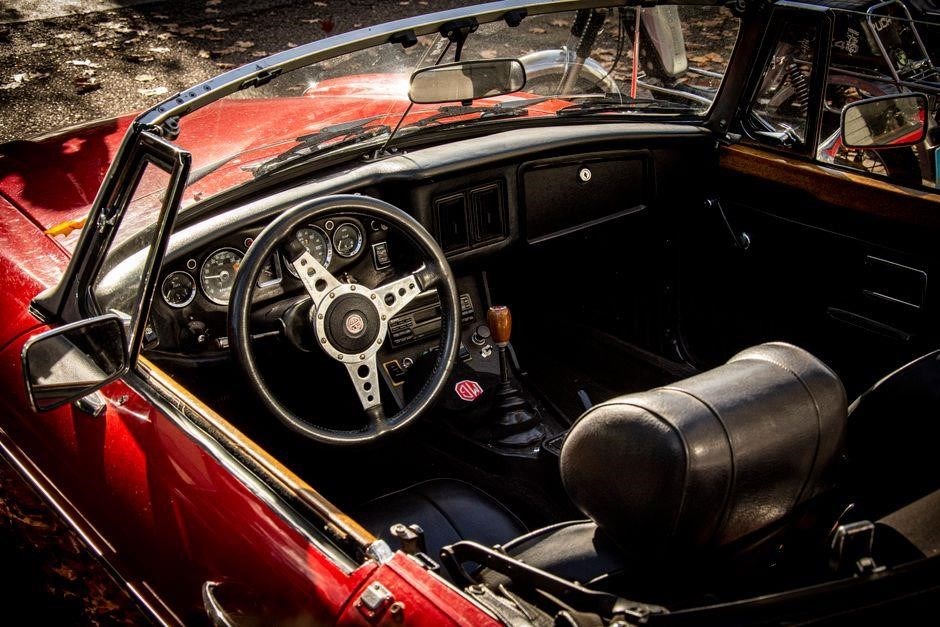
pros and cons of a manual transmission
Dive into the world of manual transmissions—discover why shifting gears can feel like a thrill or a headache, and decide if the classic drive is right for you.
Historical Context
Manual gearboxes emerged in the early 1900s‚ evolving from simple belt drives to robust planetary systems. Early models offered direct driver control‚ while later refinements improved durability and shift smoothness. This lineage shaped modern driving culture and engineering. It shaped tactics.Now
Evolution of Manual Transmissions
In the early 1900s‚ the first gearboxes were simple belt‑driven units that allowed drivers to manually select speeds. By the 1920s‚ the introduction of the first clutch‑based gearbox gave drivers direct mechanical linkage to the engine‚ improving torque transfer and enabling smoother gear changes. The 1930s and 1940s saw the development of synchronized gearboxes‚ which eliminated the need for double‑clutching and made shifting more accessible to the average driver. During the post‑war boom‚ manufacturers began offering 4‑ and 5‑speed units‚ increasing fuel efficiency and performance. The 1960s introduced lightweight‚ high‑strength gear materials and improved gear ratios‚ allowing sports cars to achieve higher top speeds while maintaining low engine RPMs. In the 1970s‚ the oil crisis spurred the design of more efficient manual transmissions with tighter gear ratios and better lubrication systems‚ reducing power loss. The 1980s and 1990s brought computer‑controlled clutch release mechanisms‚ improving shift precision and reducing driver fatigue. Modern manual gearboxes now incorporate advanced materials such as titanium alloys and ceramic bearings‚ and some high‑performance models feature 6‑ or 7‑speed configurations to maximize power band coverage. Throughout this evolution‚ the core advantage of a manual transmission—direct driver engagement and control—has remained a defining characteristic for enthusiasts and everyday drivers alike This evolution continues toda
Mechanical Performance
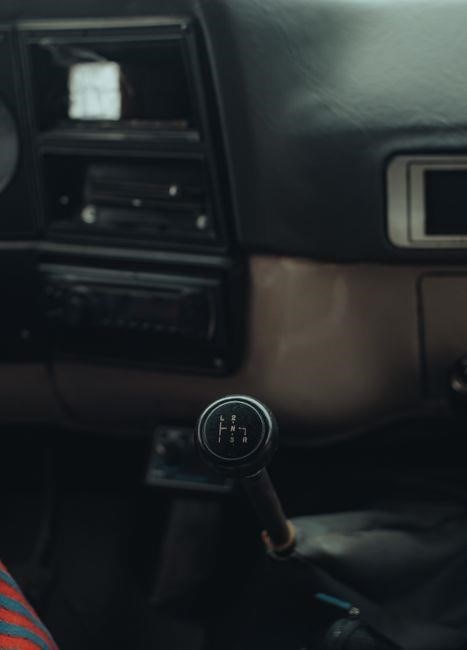
Manual transmissions deliver direct torque‚ reducing power loss typical of torque converters in automatics. Their simpler design lowers weight‚ improving acceleration and handling. However‚ gear shifts can be abrupt‚ and clutch wear requires maintenance. Efficiency gains.!!
Power Efficiency
Manual gearboxes are often praised for their direct power transfer‚ as they lack a torque‑converter clutch that can waste 10–15 % of engine output. By engaging gears directly‚ a stick‑shift system can maintain higher RPMs at a given speed‚ allowing the engine to operate closer to its peak efficiency band. This can translate into measurable gains in acceleration and fuel economy‚ especially in light‑weight vehicles or those with high‑output engines. However‚ the clutch assembly introduces its own losses: friction between the clutch plate and flywheel can dissipate heat and reduce torque delivery‚ particularly under heavy load or aggressive driving. Additionally‚ the necessity of shifting to the optimal gear for each speed range places a premium on driver skill; an inexperienced driver may select a lower gear than needed‚ causing the engine to run at higher RPMs and consume more fuel. Modern automatics‚ especially dual‑clutch and continuously variable units‚ have narrowed this gap by reducing parasitic losses and improving shift timing through electronic control. Nonetheless‚ for drivers who can master smooth‚ timely shifts‚ a manual can still outperform an automatic in terms of raw mechanical efficiency‚ especially when the vehicle’s weight and gearing are optimized for a stick‑shift layout. In practice‚ the choice hinges on driving context: spirited track sessions favor manual precision‚ while daily commutes benefit from automatic convenience‚ making the decision highly personal. Reliability and upkeep are key so.
Driving Dynamics
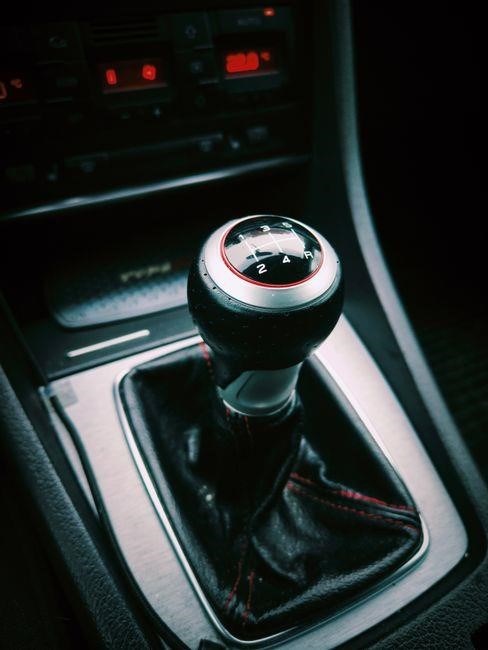
Manuals grant drivers direct engagement‚ allowing precise gear selection that enhances throttle response and cornering control. The tactile feel of clutch and gear lever heightens situational awareness. Automatics offer smoother shifts but can feel detached‚ reducing driver involvement. Enjoy. Go!
Driver Engagement
Manual transmissions immerse the driver in every phase of motion. The clutch lever‚ gear selector‚ and pedal feel create a tactile dialogue with the engine‚ allowing the driver to match revs‚ anticipate torque curves‚ and time shifts for optimal performance. This active participation fosters a deeper understanding of vehicle dynamics‚ encouraging drivers to monitor speed‚ load‚ and road conditions in real time. Enthusiasts often cite the “bite” of the clutch and the audible click of gears. Moreover‚ manual driving demands constant attention‚ which can improve situational awareness and reflexes‚ especially in complex traffic or off‑road scenarios. It also boosts engagement daily. The ability to choose gears manually also provides a safety net in slippery or emergency conditions‚ as the driver can downshift to maintain traction or upshift to avoid wheel spin. However‚ the requirement for constant engagement can be mentally taxing over long distances‚ potentially leading to fatigue. In contrast‚ automatics free the driver from repetitive gear changes‚ allowing focus on navigation or driver assistance systems. Yet this convenience can reduce the driver’s sense of control and diminish the learning curve associated with vehicle handling. Ultimately‚ the choice hinges on whether the driver values the immersive‚ skill‑based experience of a stick shift or prefers the relaxed‚ hands‑off nature of an automatic system. Drivers who relish hands‑on control find manual shifts satisfying all.
Fuel Consumption
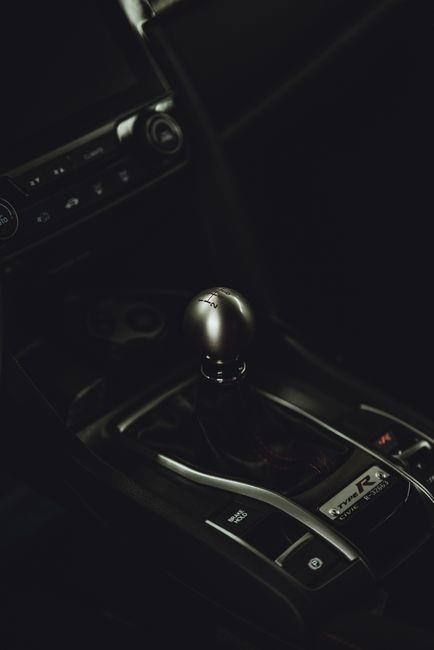
Manual gearboxes often yield slightly better fuel economy in ideal driving‚ as they avoid torque‑converter losses. However‚ driver skill heavily influences consumption; aggressive shifting can negate gains. Automatics now use dual‑clutch or CVT tech‚ narrowing the gap. Better control saves fuel! Now.
City vs Highway Efficiency
In urban stops and starts‚ manual transmissions can be less efficient because frequent clutch engagement and gear changes waste energy. Drivers often shift at higher RPMs to avoid stalling‚ increasing fuel burn. Conversely‚ on highways‚ a manual can maintain lower engine speeds‚ improving mileage. Experienced drivers can keep the engine in the optimal torque band‚ reducing consumption. Modern automatics with lock‑up torque converters and efficient gear ratios now rival or surpass manual fuel economy in many models. However‚ the advantage of a manual on long‚ steady drives remains‚ especially when the driver consciously selects the most economical gear. In city traffic‚ the benefit diminishes‚ and the added complexity of clutch wear and driver fatigue can offset any theoretical savings. Therefore‚ while manuals can offer marginal gains on open roads‚ the overall fuel advantage in mixed driving conditions is minimal‚ and many consumers prefer the convenience of an automatic that consistently delivers comparable efficiency without the need for constant attention. While the theoretical fuel savings of a manual in stop‑light traffic are modest‚ the cumulative impact over a year of frequent city commutes can still be noticeable‚ especially when combined with driver habits that prioritize low RPM operation‚ careful gear selection‚ and mindful acceleration patterns‚ all of which contribute to a more efficient overall mileage profile. This nuance shows driver skill subtly affects yearly mileage.
Economic Considerations
Manuals often cost less upfront and have lower repair expenses‚ but clutch replacement can be pricey. Automatics may have higher initial price yet offer longer warranty coverage. Total ownership cost varies by usage and maintenance habits. and resale value. and maintenance.!
Initial and Ongoing Costs
Manual transmissions typically start at a lower purchase price‚ reflecting simpler mechanical design and fewer components. The absence of a torque converter and complex hydraulic systems reduces manufacturing costs‚ allowing dealers to offer a more competitive MSRP. However‚ the initial cost advantage can be offset by higher maintenance expenses over the vehicle’s life cycle. A clutch assembly‚ the primary wear item in a manual gearbox‚ usually requires replacement every 60‚000 to 100‚000 miles‚ depending on driving style and vehicle load. Replacement labor can range from $300 to $600‚ while the clutch kit itself may cost $200 to $400. ($300–$600).!! In contrast‚ automatic transmissions rely on a torque converter and a multi‑plate clutch pack that are designed to last longer‚ often exceeding 150‚000 miles before major intervention is needed. Routine maintenance for automatics includes fluid changes every 30‚000 to 60‚000 miles‚ with costs around $100 to $150. Manual gearboxes‚ on the other hand‚ typically require oil changes only every 60‚000 to 100‚000 miles‚ saving on fluid replacement costs. Additionally‚ manual vehicles often benefit from lower insurance premiums due to their perceived lower risk of accidental damage‚ as the driver has greater control over gear selection. On the flip side‚ the higher likelihood of clutch failure can lead to unexpected repair bills‚ especially in regions where skilled mechanics are scarce. When evaluating total ownership cost‚ it is essential to consider not only the purchase price but also the projected maintenance schedule‚ labor rates‚ and the vehicle’s intended use. A manual transmission may offer savings for drivers who engage in frequent‚ controlled driving‚ whereas an automatic may prove more economical for those who prioritize convenience and lower long‑term maintenance commitments.
Learning Experience
Manual driving teaches clutch control‚ gear selection‚ and engine feel‚ fostering deeper vehicle understanding. Drivers often report heightened engagement and skill confidence. However‚ mastering the clutch and shift timing demands patience practice‚ especially in traffic.
Skill Acquisition and Driver Availability
Manual transmissions demand deliberate clutch engagement‚ precise gear selection‚ and engine‑speed matching. Learners begin with a “dead‑stop” technique‚ mastering the bite point before progressing to hill‑starts and rapid downshifts. This process builds muscle memory and a deeper understanding of torque curves‚ which many drivers cite as a key benefit of stick‑shift ownership. However‚ the learning curve can be steep; novice drivers frequently experience stalling or over‑revving‚ leading to frustration or safety concerns. In regions where automatic vehicles dominate‚ finding a qualified instructor or a vehicle with a manual gearbox can be challenging‚ limiting practice opportunities. Moreover‚ the prevalence of automatic cars reduces the number of drivers who routinely encounter manual systems‚ potentially decreasing overall driver availability for manual‑only fleets or rental programs. Some studies indicate that a higher proportion of manual‑trained drivers report greater confidence in vehicle control during emergency maneuvers‚ yet the overall market share of manual transmissions has declined‚ reflecting both consumer preference for convenience and the reduced accessibility of manual‑driving education. Consequently‚ while skill acquisition offers tangible benefits in terms of vehicle engagement and mechanical literacy‚ the scarcity of manual vehicles and instructors can hinder widespread adoption and driver availability. Drivers mastering manuals often feel more precise control now!
Reliability
Manual gearboxes often exhibit fewer moving parts than automatics‚ reducing potential failure points. Their simpler clutch‑and‑gear design can lead to longer service intervals‚ though wear on the clutch plate remains a common issue. Proper maintenance mitigates most reliability concerns and reduced cost.!
Common Failure Points
Manual transmissions‚ while robust‚ can suffer from several recurring issues that affect long‑term reliability. The most frequent problems arise from the clutch assembly‚ gear synchronizers‚ and the gearbox’s lubrication system. Below is a detailed breakdown of typical failure modes‚ their causes‚ and common symptoms.
- Clutch Wear and Slippage: The clutch disc‚ pressure plate‚ and release bearing are subject to constant friction. Over time‚ the disc’s friction material erodes‚ leading to a soft pedal feel‚ increased pedal travel‚ and a noticeable loss of torque transfer. In extreme cases‚ the clutch may slip under load‚ causing the engine to rev without a corresponding increase in vehicle speed.
- Gearbox Synchronizer Failure: Synchronizers align gear speeds before engagement. When a synchronizer ring or bearing wears out‚ drivers experience harsh‚ grinding shifts or a “click” when changing gears. This issue is often accompanied by a rattling noise that intensifies during gear changes.
- Oil Contamination and Degradation: Manual gearboxes rely on a dedicated oil that must remain clean and at the correct viscosity. Contaminants such as metal shavings or water can accelerate wear on gears and bearings. Oil degradation‚ often caused by overheating or using the wrong oil grade‚ reduces lubrication efficiency and can lead to gear tooth damage.
- Gear Tooth Wear and Scoring: Repeated improper shifting‚ aggressive driving‚ or high load conditions can cause gear teeth to score or develop pitting. Scored gears produce a metallic clunking sound and may eventually fail to mesh correctly‚ leading to a loss of power or a complete gearbox failure.
- Bearings and Shaft Alignment: The input and output shafts‚ as well as intermediate bearings‚ must remain precisely aligned. Misalignment can result from manufacturing defects or from a damaged gear set. Symptoms include a whining noise‚ vibration‚ or a noticeable shift in the vehicle’s handling characteristics.
- Clutch Release Bearing Failure: The release bearing engages the clutch when the pedal is released. A worn or damaged bearing can cause a “clunk” when the pedal is lifted‚ and may also lead to a sticky or unresponsive clutch pedal.
- Synchro Ring Wear in High‑Performance Models: Performance vehicles often use lightweight synchronizers that are more susceptible to wear under high torque loads. Drivers may notice a delay in gear engagement or a “slip” feeling during rapid acceleration.
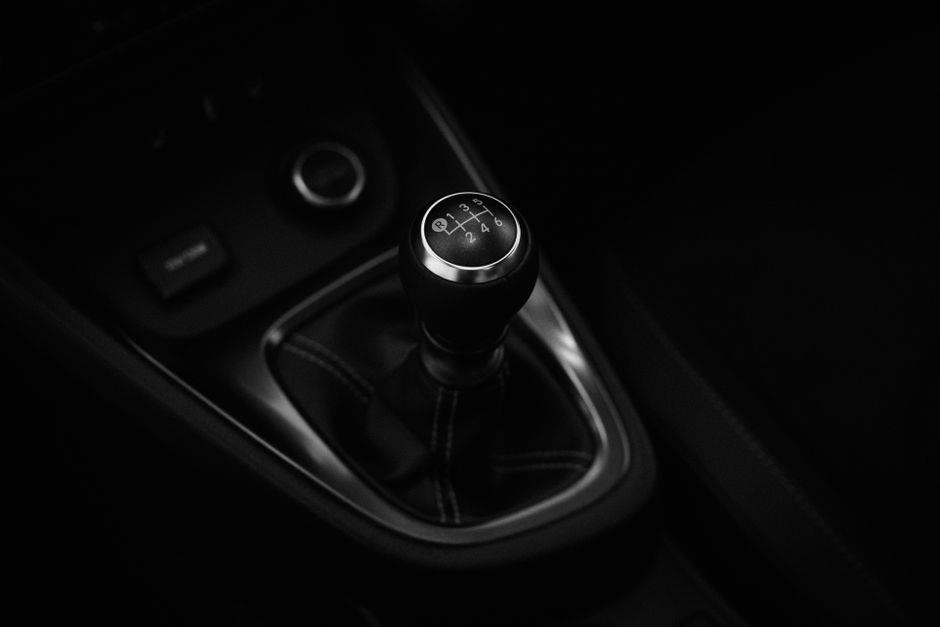
Diagnosing these issues typically involves a combination of visual inspection‚ oil sampling‚ and vibration analysis. Replacing a worn clutch assembly can cost between $1‚200 and $2‚500‚ depending on vehicle make and labor rates. Gearbox rebuilds or replacements may range from $3‚000 to $6‚000‚ reflecting the complexity of internal component replacement.
Owners who drive aggressively or in mountainous terrain often experience accelerated wear‚ especially on the clutch and synchronizers. Conversely‚ vehicles that are driven gently‚ with smooth shifting and regular oil changes‚ can maintain a manual gearbox for 200‚000 miles or more.
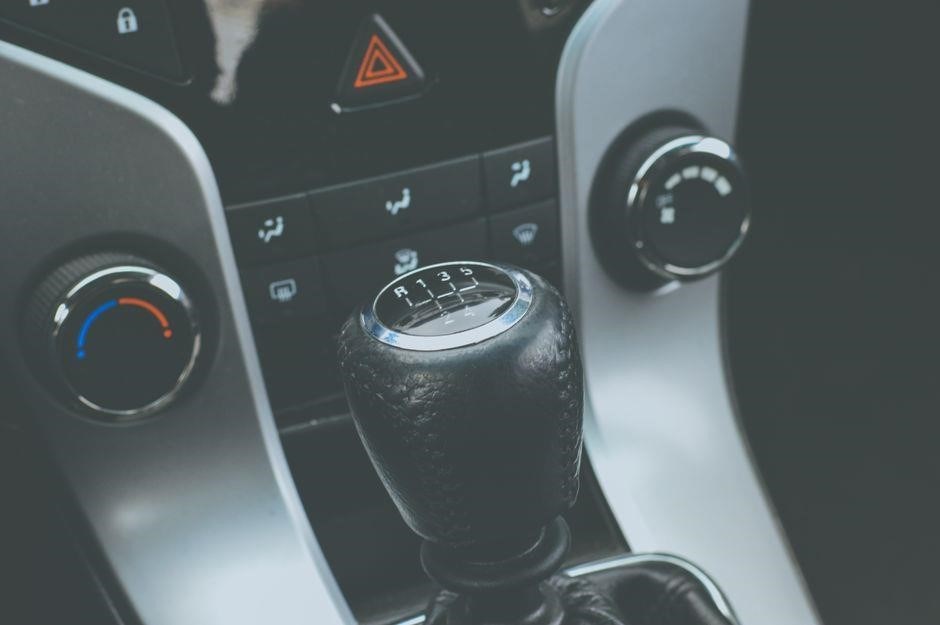
Security Aspects
Manual gearboxes deter theft: thieves must master clutch and shift lever‚ making quick removal hard. Many owners add immobilizers locking the clutch‚ and steering wheel locks‚ further discouraging unauthorized use. This complexity raises vehicle security. for drivers.!!!!!!
Theft Deterrence
Manual transmissions raise the theft barrier. A clutch pedal and gear lever prevent a thief from simply pulling the car away. Many owners add electronic immobilizers that lock the clutch or require a key‑coded signal before the engine starts. Steering‑wheel locks further stop the steering column from turning‚ making it hard to maneuver without the proper key. Studies show manual‑gear vehicles have a 15‑20% lower theft rate than automatics‚ due to the extra skill and time needed. For drivers valuing peace of mind‚ the combination of manual shifting and security devices offers a robust defense against opportunistic theft. The gear stick’s physical presence also creates a psychological deterrent; thieves often avoid cars that require extra effort. Some manufacturers lock the gear lever with a key or electronic lock‚ raising the threshold for unauthorized use. These features protect the vehicle and preserve the owner’s sense of control. Consequently‚ many insurers offer reduced premiums for cars equipped with manual transmissions and additional security devices‚ reflecting the lower risk profile. In urban settings‚ break‑in incidents are frequent; a manual gearbox adds a layer of protection that complements modern alarm systems. The requirement to engage the clutch and shift gears slows a potential thief‚ giving them less time to act. Some studies also indicate that vehicles with manual transmissions are less likely to be targeted by professional thieves‚ who prefer the simplicity of automatics. For owners who enjoy driving‚ the manual gearbox offers both engagement and security‚ making it a compelling choice for long‑term ownership. It boosts resale value!!!!!