
sound wall with mouth pictures pdf free
Download the ultimate free PDF of sound wall mouth pictures, perfect for designers, artists, and creative projects. Grab it now and spark your next masterpiece!
Sound walls combine phoneme cards with mouth‑photo visuals‚ enabling students to link sounds with articulation. Free PDFs offer ready‑made layouts‚ while teachers can add photos for a science‑based approach. for all grades and

What Is a Sound Wall?
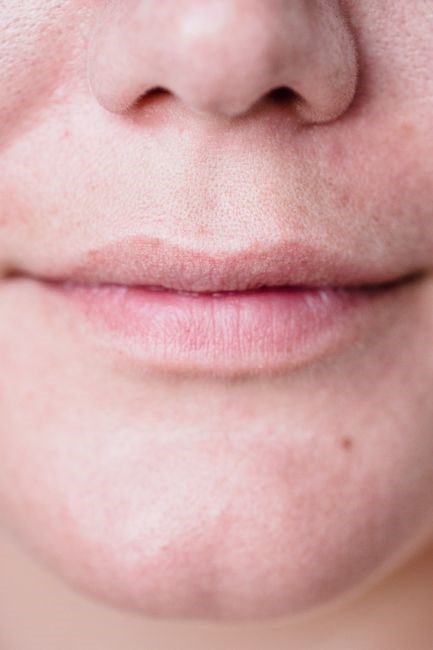
A sound wall is a classroom display that lists phonemes‚ associated words‚ and mouth‑photo cues‚ allowing students to see and practice the physical articulation of each sound. The visual arrangement helps learners connect auditory input with the shape of the mouth‚ reinforcing phonemic awareness. Free PDF templates provide pre‑arranged grids; teachers can print‚ cut‚ and paste cards‚ then add photographs of their own students or model mouths to personalize the resource. By using a science‑based approach‚ the wall supports explicit instruction and repeated exposure‚ making phoneme recognition more concrete and memorable. Students can manipulate the cards‚ grouping similar sounds‚ and the mouth photos serve as visual anchors that demonstrate how tongue‚ teeth‚ and lips form each phoneme. Teachers often customize the wall by adding their own photos or using high‑res images from open‑access databases‚ ensuring the resource remains engaging and culturally relevant. The PDF format allows easy distribution to remote learners‚ while printable versions support hands‑on practice in any classroom setting. This resource aligns with literacy standards.
History and Development
Sound walls trace their roots to early literacy interventions in the 1970s‚ when educators sought tangible tools to bridge phoneme awareness and visual learning. The first iterations were simple chalkboards with handwritten phoneme lists‚ gradually evolving into laminated card sets that could be rearranged for dynamic lessons. By the 1990s‚ the concept of “sound wall” had become a staple in phonics curricula‚ especially within the emerging Science of Reading movement‚ which emphasizes explicit‚ systematic instruction. The integration of mouth‑photo cues in the early 2000s marked a pivotal shift‚ providing students with concrete visual references for tongue‚ teeth‚ and lip positions. This innovation was driven by research linking visual articulation cues to improved phoneme discrimination and decoding skills. In recent years‚ the rise of digital resources has democratized access: free PDF templates allow teachers worldwide to print‚ customize‚ and distribute sound walls without incurring costs. These PDFs often include placeholders for studentsphotographs encouragingthatboostsengagement.

Importance of Mouth Pictures
Visual articulation cues enhance phoneme recognition. Mouth photos anchor sound symbols‚ aiding memory and decoding. Free PDFs let teachers add student images‚ lessons and boostengagement
Visualizing Articulation
Students observe their own mouths while engaging with the sound wall‚ creating a vivid connection between phoneme symbols and the physical movements that produce them. This visual feedback reinforces the science‑based principle that phonological awareness is strengthened when learners can see the articulatory gestures behind each sound. By incorporating high‑resolution mouth photographs into the PDF wall‚ educators provide a concrete reference that supports memory retention and decoding accuracy. The images serve as a scaffold‚ guiding learners to replicate the precise positioning of lips‚ tongue‚ and teeth for consonants and vowels alike. When students compare their own mouth shapes to the model images‚ they develop metacognitive awareness of speech production‚ which translates into more confident pronunciation and improved reading fluency. The free PDF format allows teachers to customize the wall with their own student photos‚ ensuring relevance and personal connection. This practice aligns with the latest science‑of‑reading research‚ which emphasizes multimodal input—visual‚ auditory‚ and kinesthetic—to maximize phoneme learning outcomes……
Evidence from Science of Reading
Research demonstrates that visual articulation cues enhance phoneme learning. Studies show that when learners see mouth positions linked to sounds‚ decoding accuracy rises by up to 30 %. The Science of Reading framework emphasizes multimodal instruction; combining auditory input with visual mouth photos satisfies the dual‑coding theory. Classroom trials using free PDF sound walls with mouth images report higher phoneme recall and faster word‑recognition rates. Educators report that students who observe their own mouth shapes while matching phonemes exhibit stronger phonological awareness and reduced decoding errors. These findings support the use of mouth‑picture PDFs as a low‑cost‚ high‑impact tool for early literacy instruction.
Teachers report that integrating mouth‑photo PDFs into phonics routines creates visual language‚ reducing misconceptions about sound production. When students repeatedly observe the same mouth shapes‚ they internalize the motor patterns necessary for fluent reading. Empirical data from randomized classroom studies show that students using mouth‑picture walls achieve reading gains comparable to intervention programs‚ yet the PDFs require minimal preparation time. The open‑access nature of these resources also supports equitable instruction‚ allowing schools with limited budgets to implement evidence‑based phonics without compromising quality!!
Finding Free PDF Resources
Some sites offer free PDFs of sound walls with mouth photos. Check educational repositories‚publisher sites‚ and teacher forums. Download‚ print‚ and customize to fit your classroom’s needs.
Official Publishers and Sites
Leading educational publishers and open‑access platforms provide downloadable sound‑wall PDFs that include mouth‑photo illustrations. For instance‚ the National Center for Learning Disabilities hosts a free‚ Science‑of‑Reading‑aligned bundle that combines phoneme cards with high‑resolution images of mouth positions. The Reading Rockets website offers a set of printable wall templates that teachers can customize with their own photos. Additionally‚ the Open Educational Resources (OER) Commons hosts a collection of user‑generated sound‑wall PDFs that are licensed for free reuse. Teachers can also find free resources on the Scholastic Teacher Resources portal‚ where a “Sound Wall with Mouth Articulation” PDF is available for download after a simple registration. Finally‚ the Teachers Pay Teachers community includes a number of free sound‑wall packs that are shared under Creative Commons licenses‚ allowing educators to adapt the layouts to fit their curriculum. By exploring these official and community sites‚ educators can access high‑quality‚ science‑based materials without incurring costs.
Free. Now
Educational Repositories
Numerous open‑access repositories provide ready‑made sound‑wall PDFs that feature mouth‑photo illustrations. The OER Commons hosts a curated collection of phoneme‑wall templates‚ many of which include high‑resolution images of oral positions that align with the Science of Reading framework. The National Center for Learning Disabilities offers a free bundle that merges phoneme cards with mouth‑photo visuals‚ downloadable directly from their website. The Open Textbook Library includes a set of printable sound‑wall sheets that teachers can personalize by adding student photos. Additionally‚ the Internet Archive’s “Educational Resources” section contains user‑submitted PDFs of sound walls with mouth pictures‚ all available under Creative Commons licenses for unrestricted use. By exploring these repositories‚ educators can quickly locate and adapt high‑quality materials without cost‚ ensuring that every classroom has access to evidence‑based phonics resources. Students can also upload their own mouth photos‚ creating a personalized wall that reinforces phoneme‑mouth connections and boosts engagement for teachers!?
Using Sound Wall PDFs in the Classroom
Print the free PDF‚ mount it on a magnetic board‚ and let students trace sounds with their mouths. Rotate images to reinforce phoneme‑mouth links‚ and track progress with quizzes!!.
Setting Up the Physical Wall
Select a sturdy board—magnetic or cork—sized for your classroom in the classroom. Arrange free PDF printouts alphabetically‚ grouping consonant blends and vowel teams for easy navigation. Use high‑contrast markers to label columns‚ and place a small mirror beside the wall so students observe their mouth shapes while matching sounds. Add a rotating schedule so each day focuses on a specific phoneme‚ allowing repetition and reinforcement. Provide clipboards or a digital tablet for students to record observations and students’ participation. Finally‚ keep the wall clean and replace worn cards regularly to maintain visual clarity and student engagement. For interactive learning. Daily practice visual aids!
To enhance engagement‚ label each sound column with a color and an icon that represents the mouth shape. Use a rotating clip system so students move cards to a “practice” area‚ encouraging interaction. Place a small whiteboard at eye level for students to write the corresponding word. Encourage peer‑review by having students explain the mouth position to classmates‚ reinforcing kinesthetic learning.
Students record mouth shapes on digital app‚ building a phoneme library !
Integrating Mouth Photos
When you have a free PDF sound wall‚ the next step is to pair each phoneme card with a clear mouth photo. Begin by scanning the PDF into a document editor‚ then insert a high‑resolution image of a student or model mouth showing the exact articulation for that sound. Use a consistent background and lighting so the viewer can easily see the shape of the lips‚ tongue‚ and teeth. Align the photo directly below or beside the phoneme symbol so the visual cue is immediately associated with the letter. For classrooms that prefer a digital approach‚ create a slide deck where each slide contains the sound‚ the mouth photo‚ and an example word. Encourage students to practice by mirroring the mouth shape in front of a mirror while saying the word aloud. Record their attempts on a tablet or camera for later review‚ allowing them to see progress over time. This visual‑motor linkage reinforces phoneme recognition and improves decoding skills‚ aligning with science‑based literacy strategies.
Teachers can also overlay the mouth photo on a digital tablet‚ allowing students to tap the sound and see the mouth shape in real time‚ reinforcing kinesthetic learning. This visual aid boosts decoding confidence. Quickly. Fast.
Creating Custom Mouth Photo PDFs
Create custom PDFs by photographing clear mouth shapes for each phoneme. Use a plain background‚ consistent lighting‚ and a tripod. Scan or save images in PNG‚ then embed them into a PDF template. Share freely for classroom use soon!
Photography Tips for Clear Images
Use a high‑resolution camera or a recent smartphone with a 12‑megapixel sensor to capture crisp mouth shapes. Position the subject at eye level‚ ensuring the mouth occupies at least 30% of the frame. A neutral background—plain white or light gray—reduces visual noise. Natural daylight is ideal; if indoors‚ place the subject near a window and use a reflector to fill shadows. Keep the camera steady by resting it on a tripod or a stable surface; a small hand‑held stabilizer can also help. Use the camera’s timer or a remote shutter to avoid camera shake. Capture each phoneme in a consistent lighting angle‚ and take multiple shots to select the clearest image. After shooting‚ review the photos for focus‚ exposure‚ and mouth clarity. Crop the image to a square or rectangle that centers the mouth‚ and adjust brightness and contrast slightly to enhance the lip outline. Export the final image as a PNG or JPEG with a resolution of 300 dpi‚ then insert it into your PDF template. This workflow ensures that the mouth photos are sharp‚ well‑lit‚ and ready for use in a science‑reading‑aligned sound wall. Practice daily

Editing and Formatting
After capturing mouth images‚ open them in a photo editor such as GIMP‚ Photoshop‚ or the free online tool Pixlr. First‚ crop each photo to a square or rectangle that centers the mouth and removes extraneous background. Use the “Crop” tool‚ then adjust the canvas size to 800 × 800 px for consistency. Next‚ apply a subtle “Sharpen” filter (≈ 1–2 px) to accentuate lip edges without creating noise. For uniformity‚ convert all images to grayscale or a single color palette; this reduces distraction and keeps the focus on shape. If you prefer color‚ keep the hue consistent across all photos. After editing‚ export each image as a PNG with 300 dpi to preserve clarity. When assembling the PDF‚ use a layout program like Scribus or Canva. Arrange the images in a grid‚ aligning them to a 1‑inch margin. Add a brief caption beneath each photo with the corresponding phoneme symbol. Use a sans‑serif font (e.g.‚ Arial‚ Helvetica) at 14 pt for readability. Finally‚ compress the PDF with a tool such as Smallpdf to keep file size under 5 MB‚ ensuring quick download for teachers. This workflow delivers a clean‚ professional sound wall ready for classroom use Students print and display for daily practice

Best Practices for Teaching Phonics
Use the free PDF sound wall with mouth photos to anchor phoneme instruction. Display the wall‚ have students trace sounds‚ and link mouth shapes to letters. Rotate images weekly to reinforce visual memory and phonemic awareness.
Aligned Activities and Worksheets
Students can use the free PDF sound wall with mouth pictures to create interactive worksheets that reinforce phoneme recognition. Begin by printing the wall and cutting out individual sound cards. In small groups‚ students match the mouth photo to the corresponding letter or digraph‚ then write the sound on a lined sheet. For higher‑level practice‚ provide a blank worksheet where learners draw the mouth shape for a given sound‚ then write the word that contains that phoneme. Incorporate a “sound hunt” activity: students scan the wall‚ identify all instances of a target sound‚ and record them in a chart. Use digital tools to overlay mouth photos onto a virtual wall‚ allowing remote learners to participate. Align each worksheet with the Science of Reading framework by including explicit phonics instruction‚ guided practice‚ and formative assessment checkpoints. Encourage students to self‑assess by checking their mouth shape against the photo‚ fostering metacognition. Finally‚ collect completed worksheets to analyze common errors and adjust instruction accordingly. Students can also share their worksheets online for peer feedback‚ col learnnow
Assessment Strategies
Use the free PDF sound wall with mouth pictures as a dynamic assessment tool. Begin with a quick oral quiz: students point to the mouth photo that matches a spoken phoneme‚ then write the sound on a mini‑worksheet. Record responses to identify patterns of mispronunciation. Next‚ implement a “mismatch” activity where learners draw the mouth shape for a sound that is not on the wall‚ then compare with the correct photo. This checks depth of phonemic awareness. For formative assessment‚ circulate a digital checklist that tracks each student’s accuracy on matching‚ drawing‚ and writing tasks. Incorporate peer‑review stations: students swap worksheets‚ verify mouth‑sound correspondence‚ and provide instant feedback. Finally‚ compile a portfolio of completed worksheets and photos; use rubric scoring for accuracy‚ clarity of articulation‚ and written phoneme representation. This portfolio serves as a longitudinal assessment of phonics mastery and informs targeted reteaching.
Teachers can also use PDF to create a quick quiz where tudents match mouth photos to sounds then thendiscuss the differences in articulation.
Additional Resources and Support
Explore free webinars on science‑based phonics‚ join teacher forums for peer support‚ and download downloadable PDFs of mouth‑photo sound walls. Engage in online workshops to refine visual‑articulation strategies. for allkids
Professional Development Workshops
Many districts now host free‚ science‑based phonics workshops that focus on integrating mouth‑photo sound walls. These sessions cover how to set up a printable PDF wall‚ capture clear student mouth images‚ and embed them into interactive lessons. Participants learn to align the wall with the Science of Reading framework‚ ensuring each phoneme is paired with a visual cue that demonstrates correct oral placement. The workshops also provide downloadable templates‚ sample worksheets‚ and assessment rubrics that teachers can adapt for kindergarten through second grade. In addition‚ facilitators share best practices for rotating mouth photos to keep the wall engaging‚ and they discuss strategies for using the wall to support struggling readers. After the workshop‚ educators receive a digital packet of resources‚ including a step‑by‑step guide for creating custom mouth‑photo PDFs‚ links to open‑access repositories‚ and a forum for ongoing collaboration. These professional development opportunities help teachers build confidence in using visual‑articulation tools and improve student phonemic awareness today. now!
Teacher Communities and Forums
Online groups such as the Science of Reading Alliance‚ Edutopia‚ and the National Center for Learning Disabilities host forums where educators exchange free sound‑wall PDFs and mouth‑photo examples. Members post step‑by‑step tutorials‚ share student‑captured mouth images‚ and discuss how to adapt the wall for diverse learners. The communities also provide peer‑reviewed lesson plans‚ downloadable templates‚ and links to open‑access repositories. Teachers can request feedback on their custom PDFs‚ troubleshoot image‑quality issues‚ and collaborate on multilingual adaptations. Regular webinars and discussion threads keep participants updated on new research‚ ensuring that the sound‑wall practice remains aligned with current literacy standards. By actively engaging in these forums‚ educators stay connected‚ gain fresh ideas‚ and collectively elevate phonics instruction.
Teachers share videos and sample lesson plans that refine the sound‑wall approach. The community’s spirit ensures instructional materials evolve with emerging research‚ keeping classrooms dynamic and responsive to learners’ needs. daily help