
american farmworks 5 mile solar fence charger manual
Need the American Farmworks 5 mile solar fence charger manual? Download it easily & get your fence powered up! Troubleshooting & setup guides available now.
American Farmworks 5 Mile Solar Fence Charger Manual: A Comprehensive Guide
This detailed manual provides comprehensive instructions for the American Farmworks 5 Mile Solar Fence Charger, ensuring effective and safe operation for livestock containment.
The American Farmworks 5 Mile Solar Fence Charger offers a reliable, self-contained power solution for electric fencing, ideal for remote pastures where traditional power sources are unavailable. This energizer, delivering 0.15 Joules, is designed to maintain a robust electric shock, effectively controlling livestock.
Powered by an internal rechargeable battery and a dedicated solar panel, it operates independently, providing continuous fence protection even during periods of limited sunlight – potentially up to two weeks without direct exposure. Its portability and ease of installation make it a practical choice for rotational grazing and temporary fencing setups. Proper use, guided by this manual, ensures optimal performance and animal welfare.
Understanding Solar Fence Charger Technology
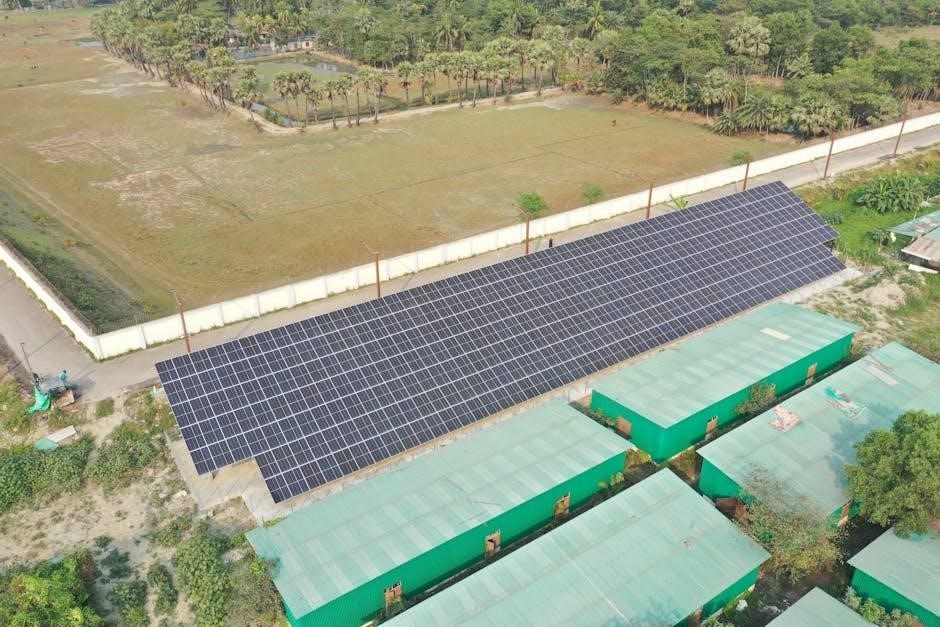
Solar fence chargers harness energy from sunlight via a photovoltaic panel, converting it into DC electricity to power the fence. This electricity is then stored in an internal rechargeable battery, providing consistent voltage even when sunlight is limited.
The charger emits short, high-voltage pulses – not continuous current – creating a safe yet effective shock. These pulses disrupt an animal’s muscle control, deterring them from touching the fence. The effectiveness depends on factors like fence grounding, vegetation contact, and animal coat length. Understanding these principles is crucial for maximizing the charger’s performance and ensuring reliable livestock control.
Key Features and Specifications
The American Farmworks 5 Mile Solar Charger boasts a 0.15 Joule output, covering up to 5 miles of fencing, powered by a rechargeable internal battery.
Power Output: 0.15 Joules

Understanding the 0.15 Joule Output: The American Farmworks 5 Mile Solar Fence Charger delivers a power output of 0.15 Joules. This measurement signifies the amount of energy released in each pulse sent along the fence line.
A 0.15 Joule output is generally sufficient for effectively controlling most common livestock, including cattle, horses, sheep, and goats, particularly in dry conditions. However, effectiveness can vary based on animal type, fence length, vegetation, and grounding quality.
For animals with thicker hides or in areas with heavy vegetation, a higher Joule output might be necessary. This charger is designed for moderate control needs, offering a balance between power and battery efficiency. Proper installation and maintenance are crucial to maximize the charger’s performance and ensure optimal animal control.
Fence Line Coverage: Up to 5 Miles
Maximum Fence Line Length: The American Farmworks 5 Mile Solar Fence Charger is rated to effectively energize up to 5 miles of fencing; This specification represents the maximum achievable length under ideal conditions.
Several factors influence actual coverage, including wire gauge, vegetation contact, grounding quality, and animal resistance. Heavy vegetation touching the fence significantly reduces the effective distance; Using a higher gauge wire (thinner) also limits the distance.
For optimal performance, it’s recommended to stay within the 5-mile limit and ensure proper grounding. Regularly clearing vegetation and using appropriate wire gauge will maximize the charger’s range and ensure consistent animal control across the entire fence line.
Battery Type and Charging
Internal Rechargeable Battery: The American Farmworks 5 Mile Solar Charger utilizes an internal rechargeable battery to store solar energy. This battery powers the energizer during periods of low or no sunlight. The specific battery type is typically a sealed lead-acid or Ni-MH, designed for long-term reliability.
Initial Charging: Before initial use, the charger must be exposed to direct sunlight for a minimum of three full days to ensure a sufficient battery charge. This pre-charge is crucial for optimal performance.
Solar Charging: Continuous sunlight exposure will maintain the battery’s charge. The charger automatically manages the charging process, preventing overcharging. It can operate for up to two weeks without sunlight, depending on initial charge and sunlight exposure.

Installation Guide
Proper installation is key for optimal performance. Securely mount the charger, ensuring optimal solar exposure and correct grounding for safety and effectiveness.
Optimal Placement for Solar Exposure
To maximize the charging efficiency of your American Farmworks 5 Mile Solar Fence Charger, strategic placement is crucial. Select a location that receives direct sunlight for the majority of the day, ideally facing south. Avoid areas shaded by trees, buildings, or other obstructions.
Ensure the solar panel is free from dirt, dust, and snow, as these can significantly reduce its ability to absorb sunlight. Consider seasonal changes in the sun’s path; adjust the panel’s angle accordingly to maintain optimal exposure throughout the year. Solar energizers require three days of sunlight before initial use to fully charge the internal battery, guaranteeing reliable fence power.
Grounding Requirements for Safety
Proper grounding is paramount for the safe and effective operation of your American Farmworks 5 Mile Solar Fence Charger. A well-grounded system minimizes the risk of electrical shock to humans and animals, while also improving fence performance.
Drive a grounding rod, at least 8 feet in length, into moist soil. Connect the charger’s ground terminal to the grounding rod using heavy-gauge wire. Multiple grounding rods, spaced at least 10 feet apart, can be used for enhanced grounding, particularly in dry or sandy conditions. Regularly inspect the grounding connection to ensure it remains secure and corrosion-free, maintaining a safe and reliable electric fence system.
Connecting to the Fence Line
To connect your American Farmworks 5 Mile Solar Fence Charger to the fence line, begin by ensuring the charger is switched off. Attach a properly insulated fence wire to the charger’s output terminal, utilizing a suitable connector. Run the fence wire along the desired perimeter, securing it to insulators at regular intervals.
Ensure the fence wire is not in direct contact with vegetation, as this can cause a short circuit. At the end of the fence line, connect a return wire back to the charger’s ground terminal, completing the electrical circuit. Verify all connections are secure and insulated before activating the charger, guaranteeing optimal performance.

Testing and Troubleshooting
Effective troubleshooting and testing procedures are vital for maintaining optimal performance of your American Farmworks 5 Mile Solar Fence Charger system.
Using the “Push to Test” Button
The “Push to Test” button, conveniently located on the face of the American Farmworks 5 Mile Solar Charger, is a crucial diagnostic tool for quickly assessing operational status. Pressing this button initiates a self-assessment of the energizer’s core functions, including battery voltage and output pulse delivery.
A strong, noticeable pulse indicates sufficient power and a functioning system. Conversely, a weak or absent pulse signals a potential issue requiring further investigation. Regularly utilizing this feature – ideally weekly – allows for proactive identification of declining battery health or fence line problems before they escalate. Remember to avoid touching the fence while testing! This simple check ensures reliable performance and effective livestock control.
Low Voltage Troubleshooting
If the American Farmworks 5 Mile Solar Charger exhibits low voltage, several factors could be at play. First, ensure the solar panel receives ample, direct sunlight for optimal charging. Insufficient sunlight is the most common cause. Next, verify the battery connections are clean and secure, as corrosion hinders conductivity.
A depleted battery, especially after prolonged cloudy periods, requires extended charging time. If the issue persists, test the battery’s voltage with a multimeter; a significantly low reading indicates a failing battery needing replacement. Also, inspect the fence line for shorts or grounding issues, which drain power. Addressing these points will restore optimal performance.
Battery Health Assessment
Regularly assessing your American Farmworks 5 Mile Solar Charger’s battery health is crucial for reliable performance. Utilize the “Push to Test” button; a strong, visible pulse indicates a healthy battery. A weak or absent pulse suggests a low charge or a failing battery. For a more precise evaluation, employ a multimeter to measure the battery’s voltage.
A fully charged 12V battery should read around 12.6 volts. Readings below 12.0 volts signify significant discharge and potential battery damage. Remember that battery capacity diminishes over time, even with proper care. Consistent low voltage despite adequate charging signals the need for battery replacement to maintain effective fence operation.
Maintenance and Care
To ensure longevity, regularly clean the solar panel and properly store the charger during winter, following battery replacement guidelines as needed.
Cleaning the Solar Panel
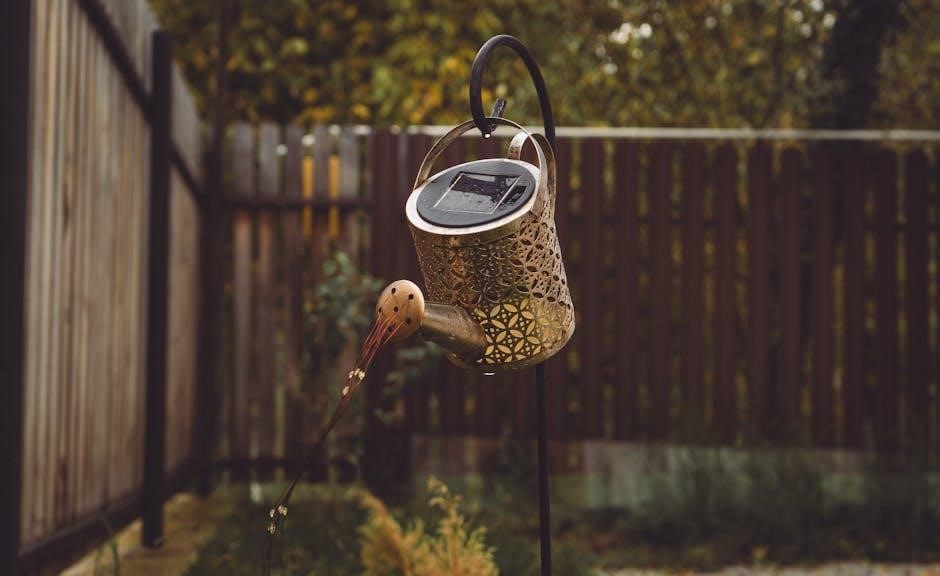
Maintaining a clean solar panel is crucial for optimal performance of your American Farmworks 5 Mile Solar Fence Charger. Dust, dirt, and debris can significantly reduce the amount of sunlight reaching the panel, diminishing its charging capability. Regularly inspect the panel for accumulated grime.
To clean, use a soft cloth or sponge dampened with mild soapy water. Avoid abrasive cleaners or harsh chemicals, as these can damage the panel’s surface. Gently wipe the panel, removing all visible dirt and residue. Rinse thoroughly with clean water and dry with a clean, soft cloth.
Frequency of cleaning depends on environmental conditions; more frequent cleaning is needed in dusty or polluted areas. A clean panel ensures consistent power delivery to your fence line, maximizing the effectiveness of your electric fencing system.
Winter Storage Procedures
Proper winter storage is essential to prolong the life of your American Farmworks 5 Mile Solar Fence Charger. Before prolonged periods of non-use, particularly during winter, disconnect the charger from the fence line and remove the battery. Store the battery indoors in a cool, dry place, avoiding extreme temperatures.
Clean the solar panel thoroughly as described in the maintenance section to remove any accumulated dirt or debris. Store the charger unit itself in a sheltered location, protected from the elements. Avoid storing it in direct sunlight or exposed to moisture;
Recharge the battery periodically during storage to prevent it from fully discharging, which can reduce its lifespan. Following these steps will ensure your charger is ready for use when fencing season returns.
Battery Replacement Guidelines
When your American Farmworks 5 Mile Solar Fence Charger’s battery no longer holds a sufficient charge, replacement is necessary. Always use a compatible battery with the correct voltage and specifications as outlined in the manual. Disconnect the charger from the fence and carefully remove the old battery, noting the polarity (+ and -) for correct installation.
Insert the new battery, ensuring proper polarity alignment. A fully charged battery will maximize the charger’s performance. Dispose of the old battery responsibly, following local regulations for battery recycling.
Regular battery checks and timely replacement will maintain optimal fence performance and prevent livestock escapes. Consider keeping a spare battery on hand for quick replacements.
Safety Precautions
Prioritize safety by using only one energizer per fence line, avoiding interference, and ensuring proper grounding techniques for optimal performance and user protection.
Warning: Single Energizer Per Fence Line
It is critically important to operate only one electric fence energizer on any single fence line at any given time. Utilizing multiple controllers simultaneously can create dangerously overlapping pulse timings. This interference diminishes the effectiveness of the shock, potentially allowing livestock to escape or experience prolonged, uncomfortable contact with the energized fence.
The close proximity of pulse intervals from multiple energizers disrupts the intended deterrent effect. Furthermore, combining energizers can damage the units themselves due to electrical conflicts. Always ensure a clear, isolated circuit for each American Farmworks 5 Mile Solar Charger to maintain optimal performance and animal safety. Adhering to this precaution is paramount for responsible fence management.
Avoiding Interference with Other Devices
To ensure optimal performance of your American Farmworks 5 Mile Solar Fence Charger, minimize potential interference from nearby electronic devices. Radio transmitters, power lines, and even certain types of metal fencing can disrupt the electrical pulse. Maintain a reasonable distance between the energizer and these sources of electromagnetic radiation.
Proper grounding, as detailed in this manual, is also crucial for mitigating interference. Regularly inspect grounding rods for corrosion and ensure secure connections. Avoid running fence lines parallel to power lines for extended distances. By proactively addressing these factors, you’ll maximize the charger’s effectiveness and prevent unintended disruptions to its operation, safeguarding your livestock containment.
Proper Grounding Techniques
Effective grounding is paramount for the safe and efficient operation of your American Farmworks 5 Mile Solar Fence Charger. Utilize at least three 8-foot grounding rods, spaced at least 8 feet apart, connected with heavy-gauge wire. Drive the rods fully into moist soil, avoiding rocky or dry areas.
Ensure secure connections at each rod using approved grounding clamps. Regularly inspect these connections for corrosion and tightness. A poor ground significantly reduces the charger’s performance and increases the risk of electrical shock. Proper grounding dissipates excess energy, protecting both animals and humans, and maximizing the fence’s effectiveness in containing livestock.
Comparing American Farmworks Models
American Farmworks offers diverse energizers, including 5-mile and 2-mile options, alongside AC plug-in, DC battery, and solar-powered chargers to suit varied fencing needs.
5 Mile vs. 2 Mile Energizers
Choosing between the American Farmworks 5-mile and 2-mile energizers depends heavily on your fencing requirements. The 5-mile model, delivering 0.15 Joules, is ideal for larger pastures and longer fence lines, effectively controlling livestock over extended distances. Conversely, the 2-mile energizer is better suited for smaller enclosures, providing sufficient power without unnecessary expenditure.
Consider the terrain and potential vegetation interference; denser foliage or uneven ground may reduce effective fence length, potentially necessitating the 5-mile option even for a seemingly shorter fence. Both models utilize similar solar charging technology, but the 5-mile version offers greater range and power for more demanding applications. Carefully assess your needs to optimize performance and cost-effectiveness.
AC Plug-In vs. DC Battery vs. Solar Chargers
American Farmworks offers diverse energizer power options: AC plug-in, DC battery, and solar. AC chargers provide consistent power when an outlet is available, eliminating battery concerns. DC battery chargers are portable but require regular battery checks and replacements. Solar chargers, like the 5-mile model, are environmentally friendly and cost-effective long-term, relying on sunlight for power.
Solar energizers are ideal for remote locations lacking electricity, though performance depends on sunlight availability. A fully charged battery allows operation for up to two weeks without sun. Consider your location’s climate and accessibility to power when selecting the best option for reliable livestock control. Each type caters to different needs and circumstances.

Frequently Asked Questions (FAQ)
Common questions address runtime without sunlight, battery type, and whether multiple energizers can be used on a single fence line – avoid this!
How long will the charger run without sunlight?
The American Farmworks 5 Mile Solar Fence Charger is designed with an internal rechargeable battery to provide power even during periods of limited sunlight. However, the duration of operation without solar exposure depends on several factors, including the battery’s initial charge level and the overall length and condition of the fence line.
Generally, this charger can effectively run for up to two weeks without direct sunlight, assuming it was fully charged prior to the overcast period. It’s crucial to allow the unit three full days of direct sunlight to initially charge the battery before first use. Consistent, optimal solar exposure maximizes battery life and ensures reliable performance. Regularly monitoring the battery health, as described in the manual, will help predict runtime and prevent unexpected power loss.
What type of battery does it use?
The American Farmworks 5 Mile Solar Fence Charger utilizes an internal, rechargeable battery to store energy harvested from the solar panel. This battery is specifically designed for reliable performance in outdoor conditions and to provide consistent power to the fence line, even during periods of reduced sunlight.
The exact battery type is typically a sealed lead-acid (SLA) battery, chosen for its durability and ability to hold a charge effectively. It’s important to note that the battery is not user-replaceable; attempting to replace it yourself may void the warranty. Refer to the ‘Battery Replacement Guidelines’ section for authorized service options if battery performance diminishes over time.
Can I use multiple energizers on the same fence?
Absolutely not. The American Farmworks 5 Mile Solar Fence Charger is designed for use with a single, isolated fence line. Connecting multiple energizers to the same fence is strictly prohibited and can cause significant issues. The differing pulse timings between the energizers will create interference, drastically reducing the effectiveness of the fence and potentially damaging the units.
This interference can lead to inconsistent shocks, allowing livestock to escape or compromising the security of the perimeter. Always use only one energizer per fence line to ensure optimal performance and safety. Utilizing multiple units requires completely separate fence systems.